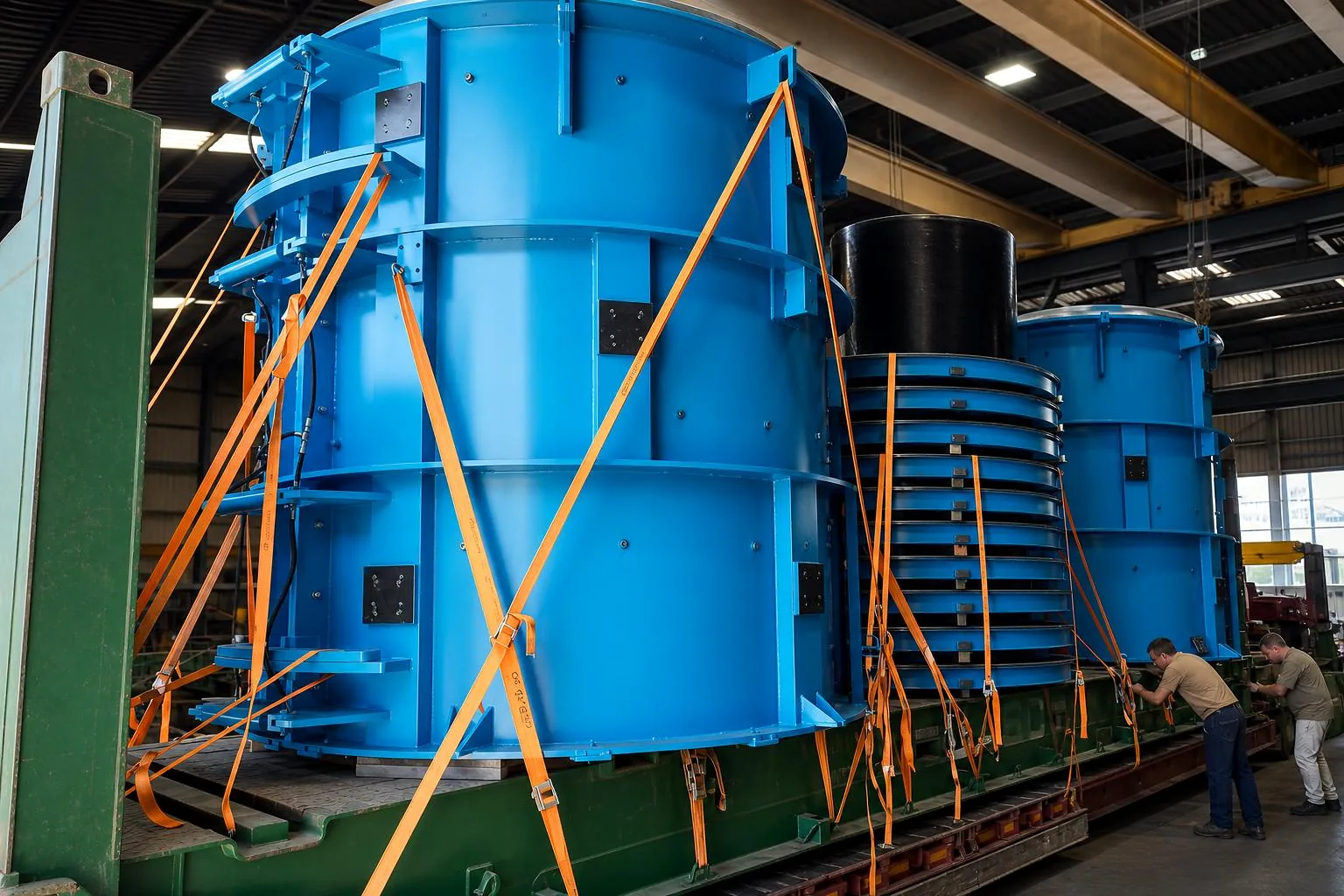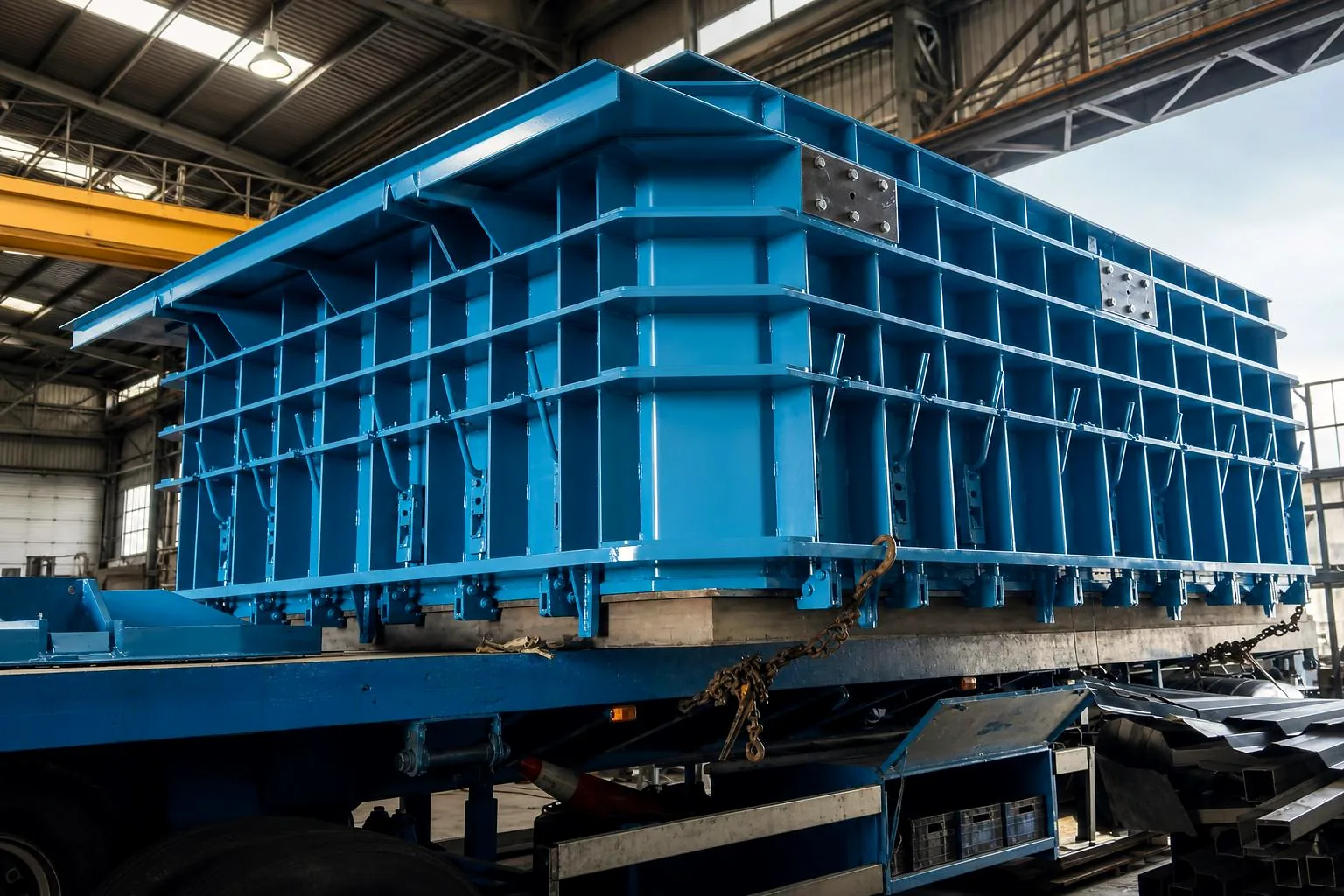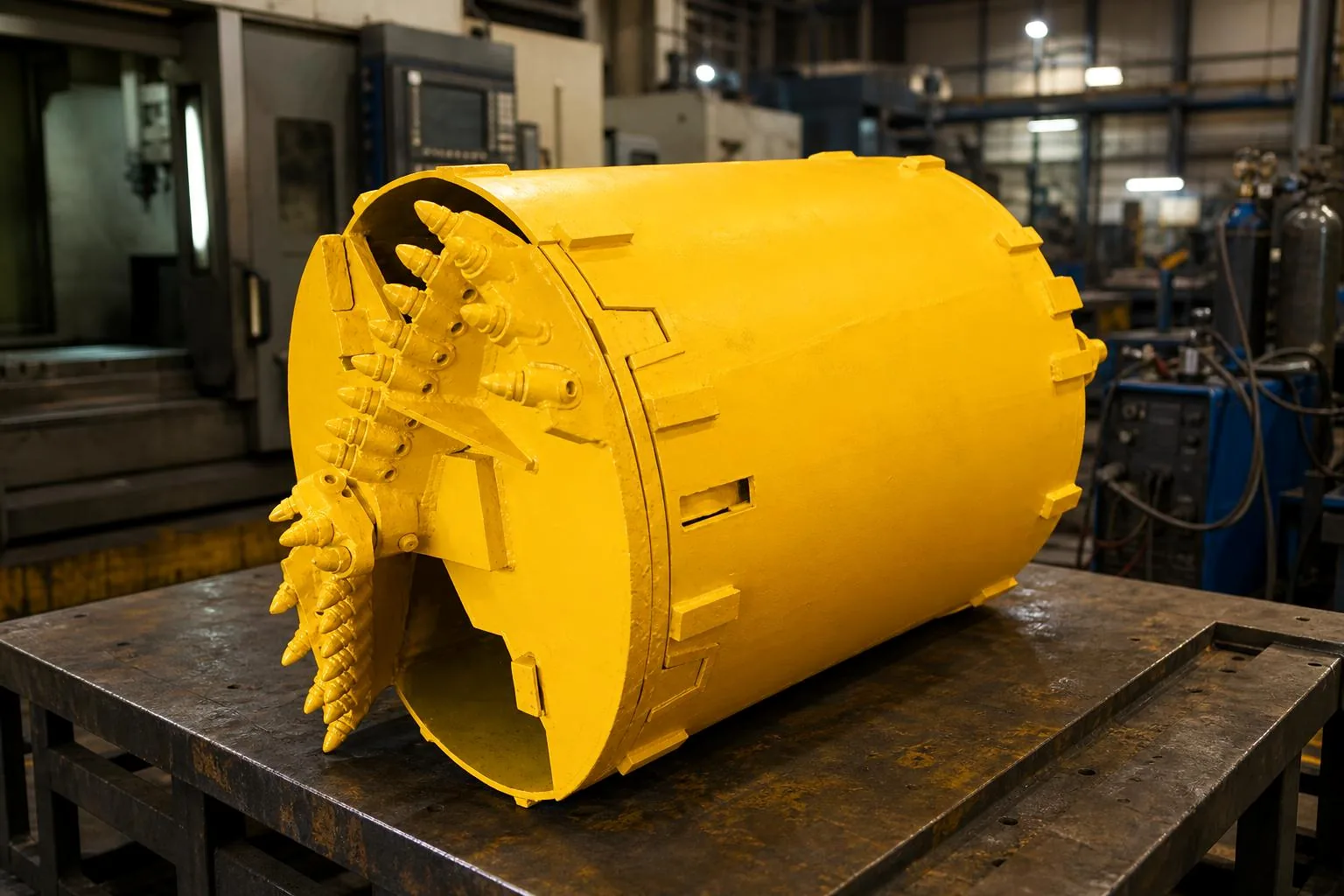
Main toolTool prepared in a workshop environment for industrial work.
Industrial tools for deep drilling adapted to the machine, ground and real work: augers, buckets, core barrels, drilling tools and special parts. This page explains the product, environment, specifications and adaptation criteria.
The page uses all available drilling photos and includes the technical concepts that had to be present: buckets, cleaning buckets, rock buckets, augers, core barrels, drilling tools, heads, couplings and special configurations.
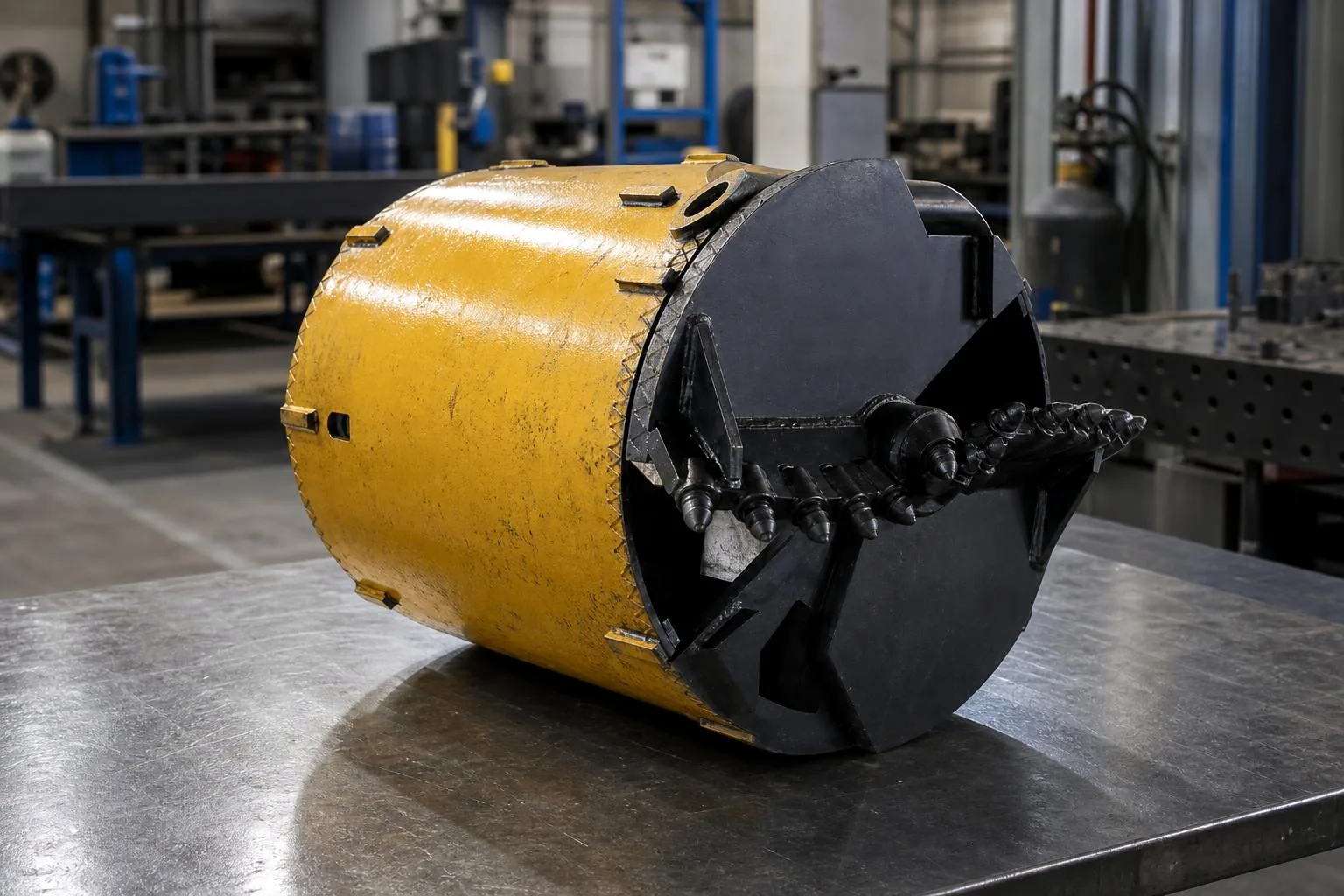
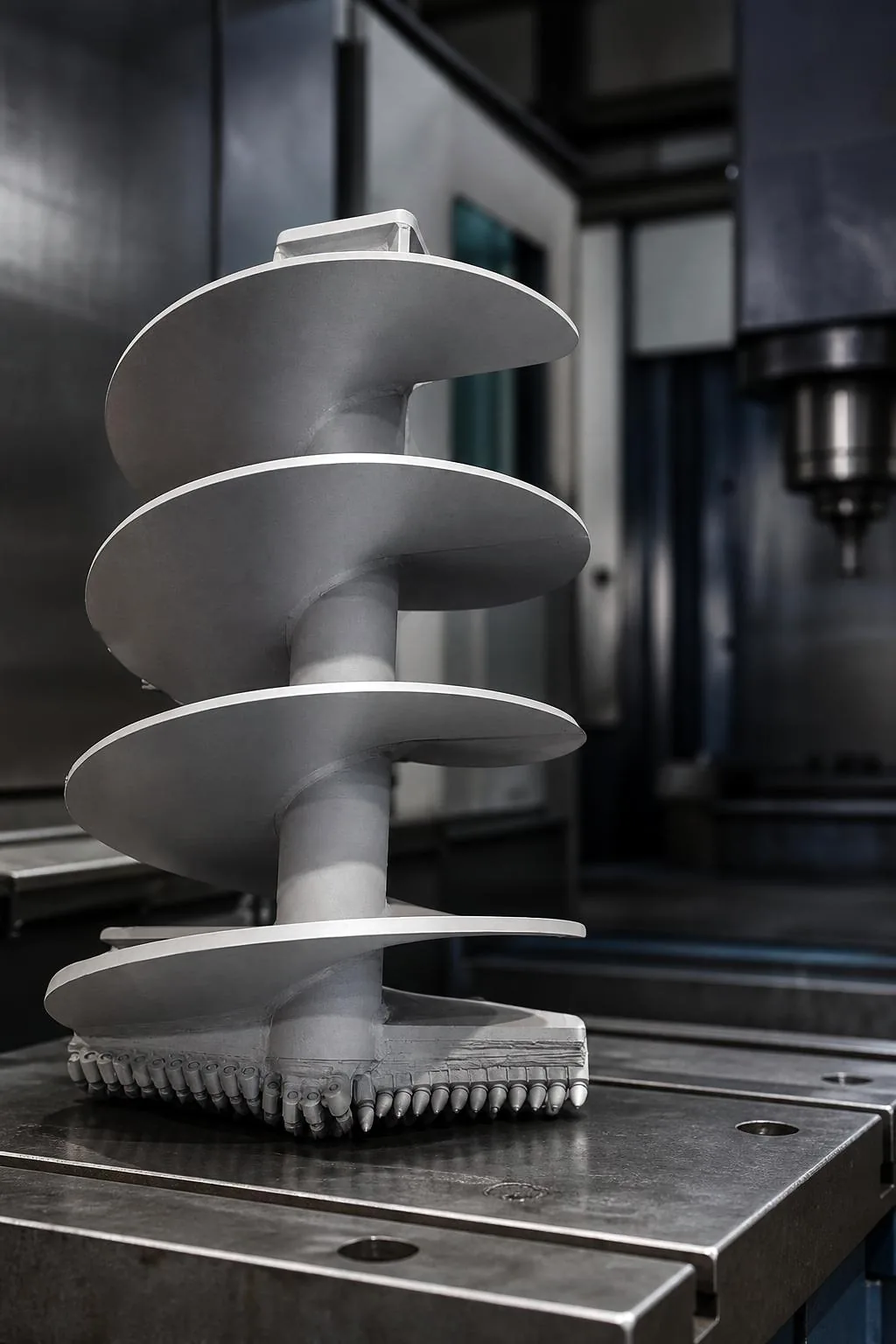
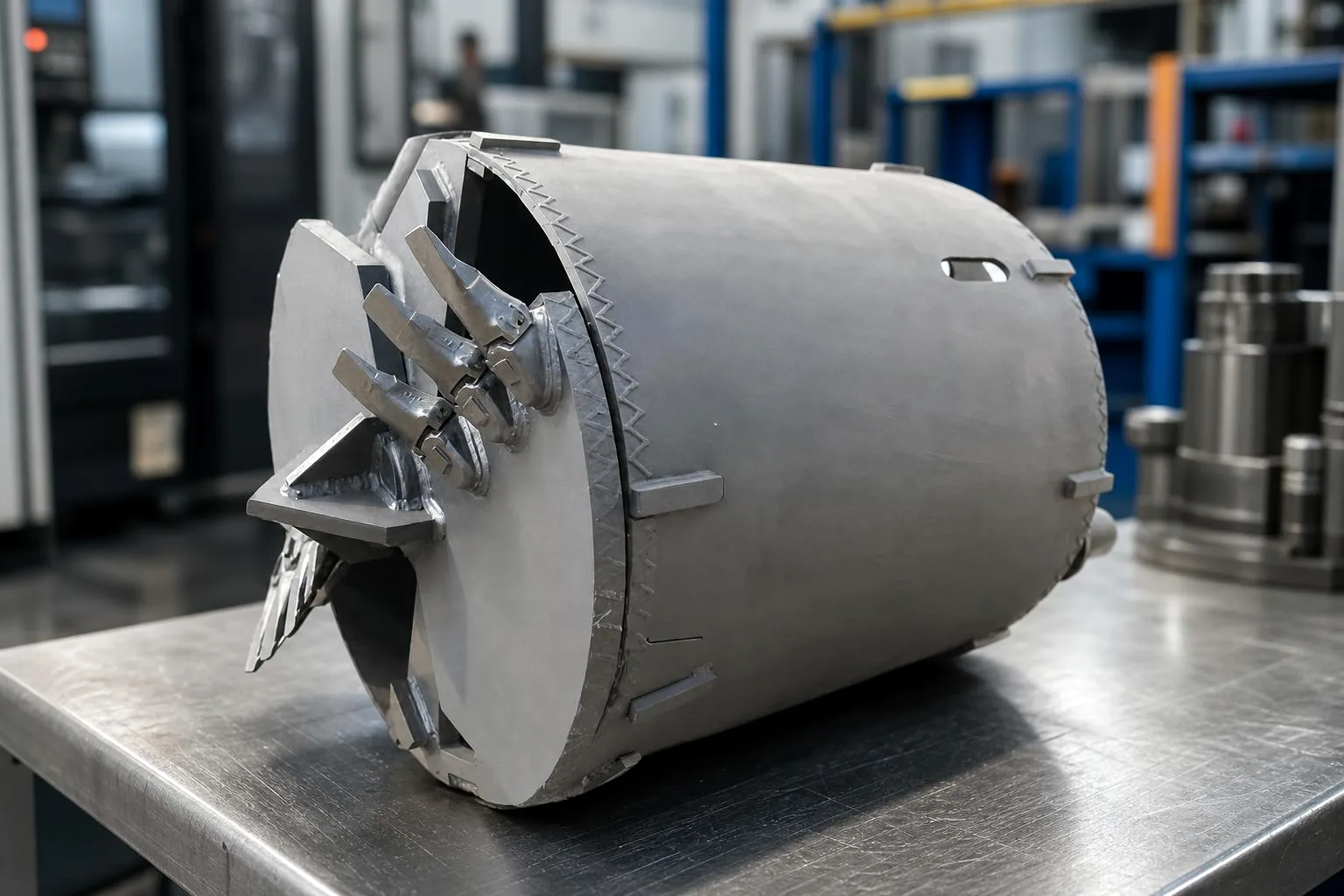
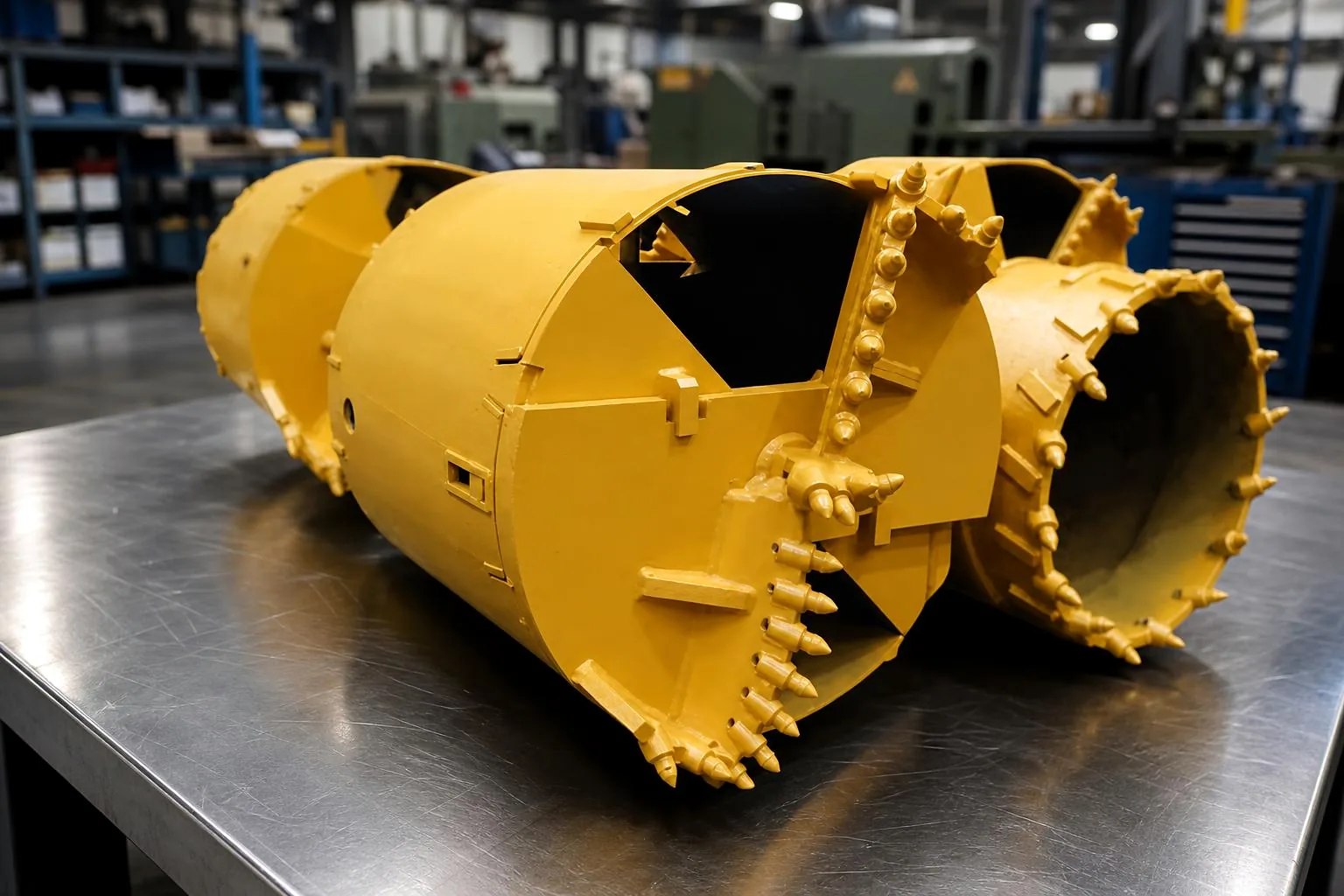
Deep drilling works with different tools depending on ground, diameter, depth and machine. That is why the page must describe real tool families, not just a generic part.
Drilling buckets for collecting and removing material, with body, bottom, gate and teeth according to use.
Cleaning buckets to finish the bottom, remove loose material and leave the bore prepared.
Reinforced buckets for hard ground, rock or high wear, with adapted cutting edge and thicknesses.
Helical tools for advance and material removal in specific diameters and lengths.
Tools for cutting, guiding or working the ground with greater control in specific conditions.
Connections, heads, repairs and special parts to match tool, machine and jobsite.
In deep drilling it is not enough to show a part. The complete tool must be read: coupling, body, cutting edge, reinforcements and adaptation so the tool works properly with the machine, ground and real wear.
The tool transmits torque, withstands thrust, enters the ground, removes material and resists wear. That is why it is manufactured or repaired with the complete assembly in mind.
Connection area with the machine. It must transmit force, maintain alignment and withstand torsion without critical deformation.
Buckets, cleaning buckets, rock buckets, augers, drilling tools and core barrels sized according to diameter, depth, material extraction and ground type.
Cutting elements placed to open the ground, control wear and improve tool entry on site.
Reinforced areas where impact, abrasion and repeated forces appear during deep drilling.
Manufacturing, reconstruction or modification of existing tools to adapt them to machine, real use and maintenance.
Without inventing fixed dimensions: at Relente, work is based on drawing, sample, production need or existing tool. The important point is to clarify the technical aspects to be reviewed.
Buckets, cleaning buckets, rock buckets, augers, drilling tools, core barrels, adapters and special parts.
Connection and geometry adapted to machine, use and jobsite conditions.
Diameter, length, thickness and configuration from drawing or sample.
Selection and reinforcement according to wear, impact, torsion and expected maintenance.
Reconstruction, adjustment or modification of existing tools when appropriate.
Part prepared for work, transport and validation by the technical team.
This is not decoration: the page explains how the request is read and how it is grounded in the workshop to reduce doubts before calling or sending a drawing.
Machine, ground, diameter, depth and operational problem are identified.
It is decided whether to manufacture, adapt, reinforce or repair an existing tool.
Delivered with use criteria: coupling, wear, maintenance and handling.
Here precision is not aesthetic: it affects advance, wear, vibration and safety.
The tool is approached from the machine and the ground, not from a generic catalogue.
The workshop can resolve new parts or recover tools with operational value.