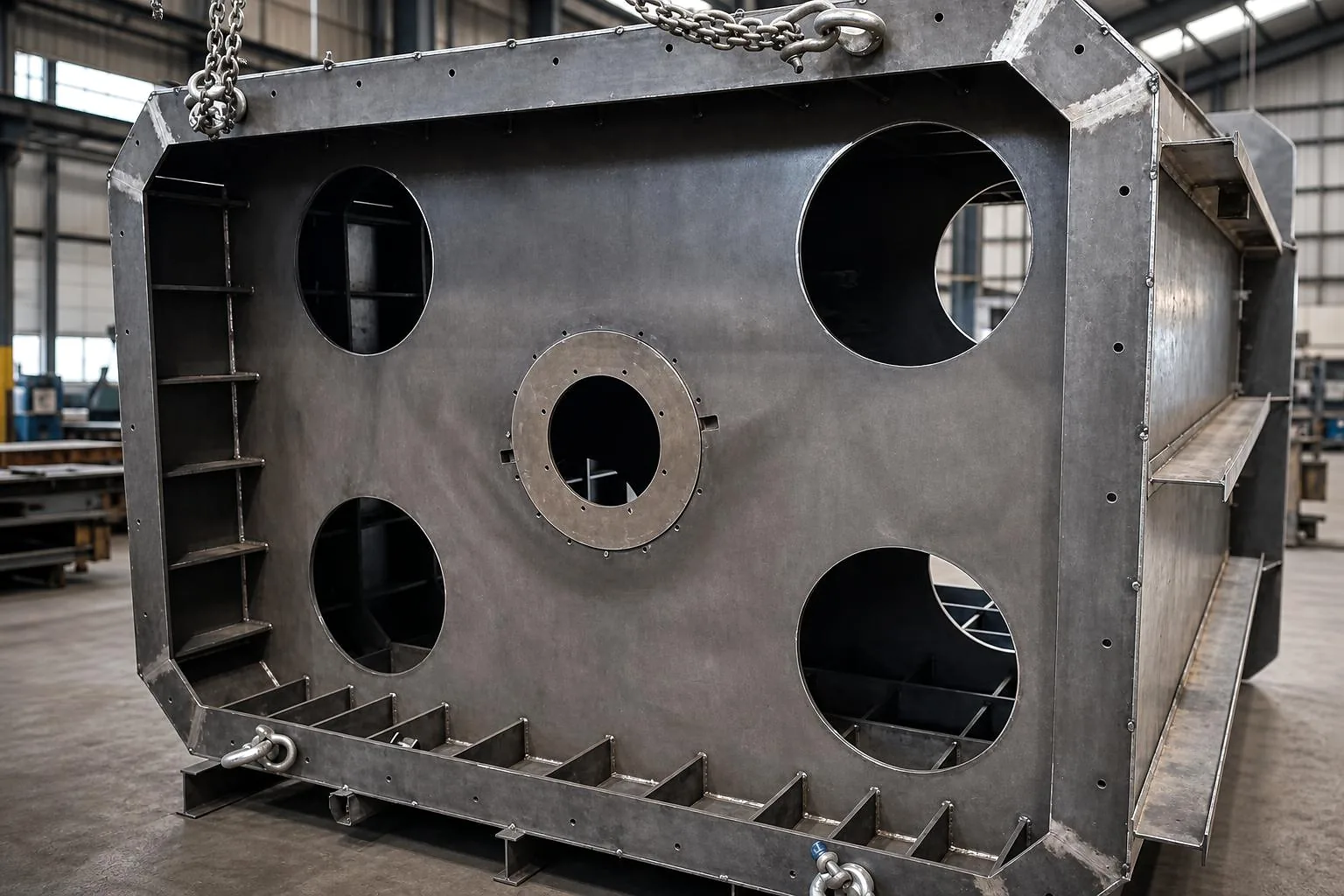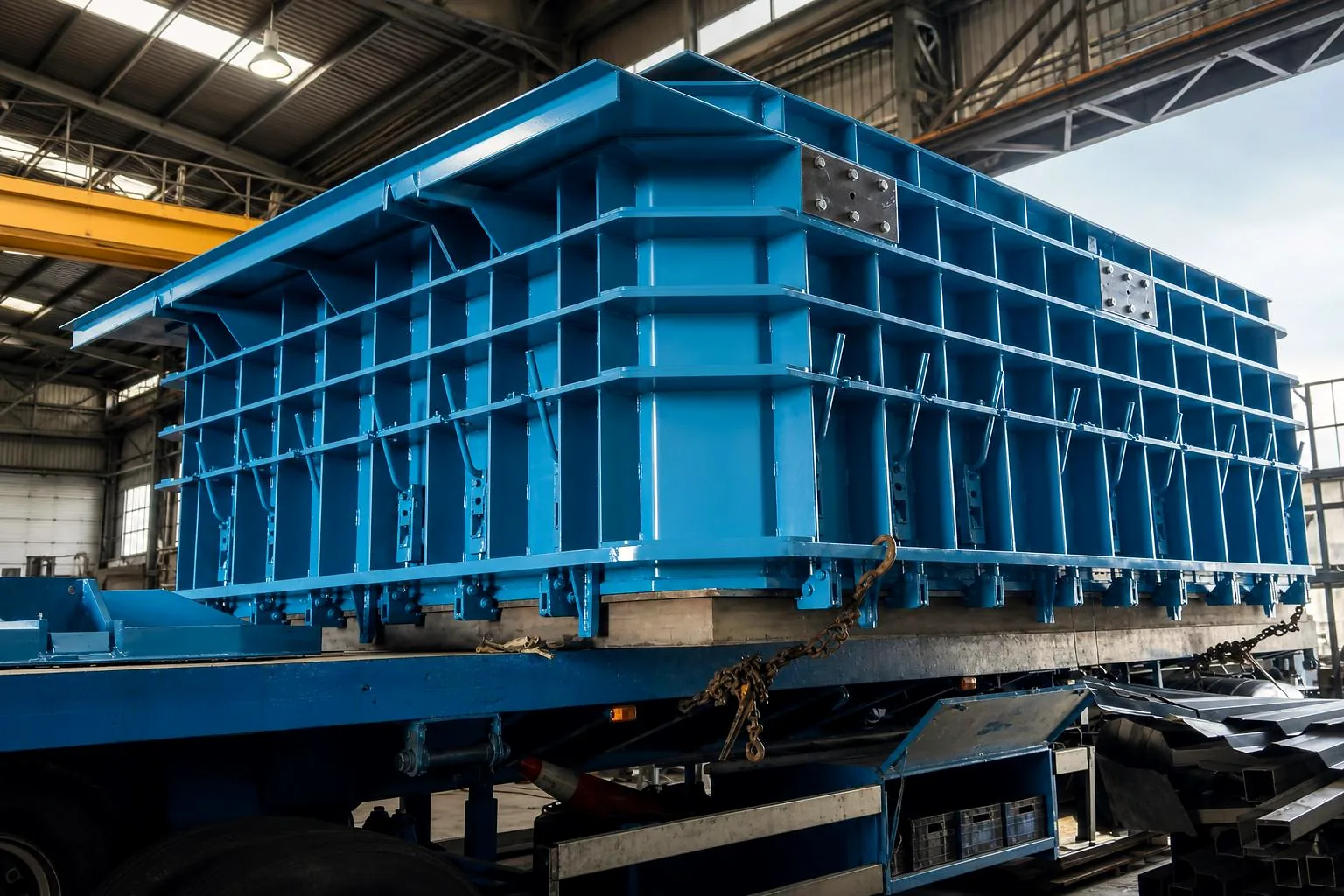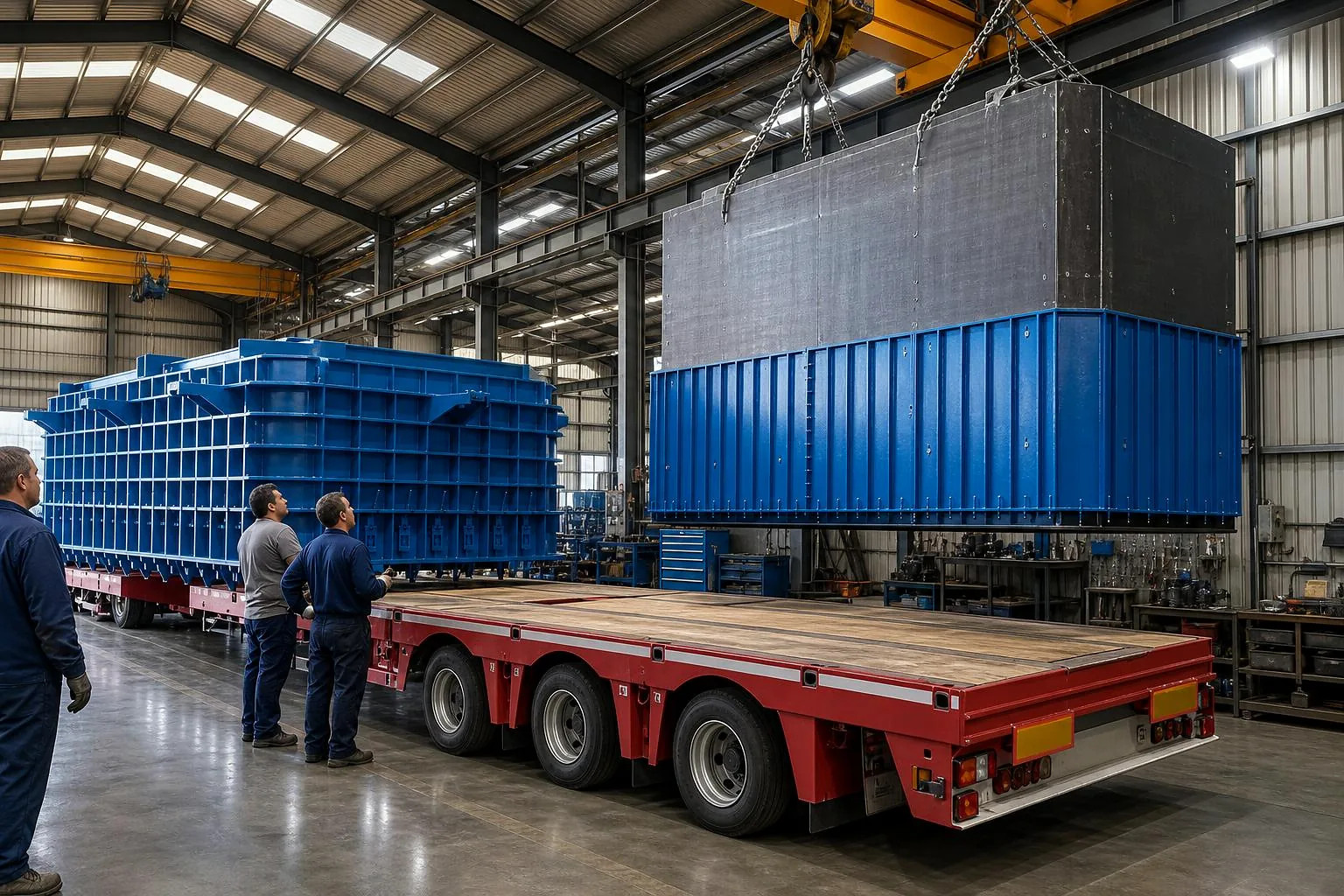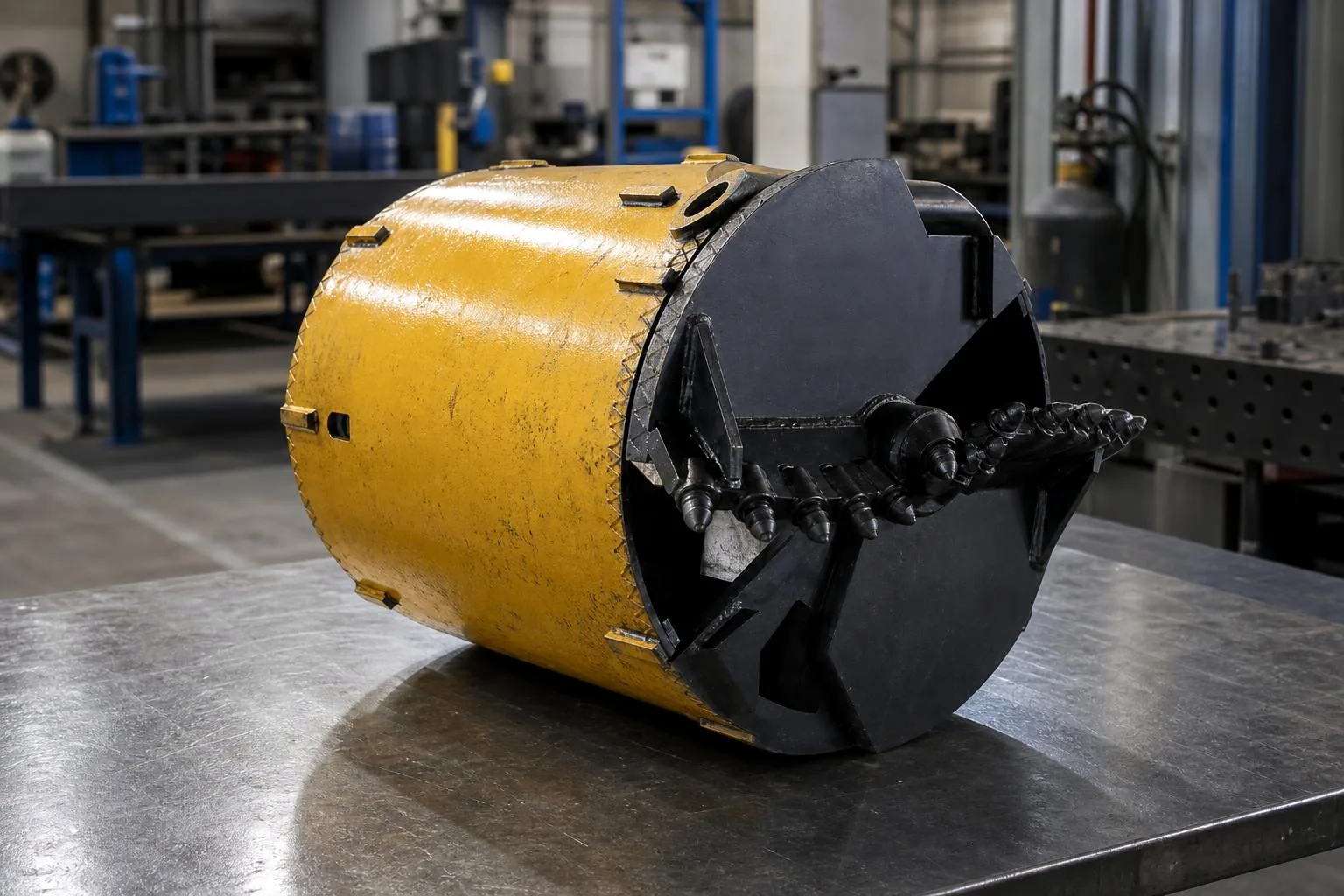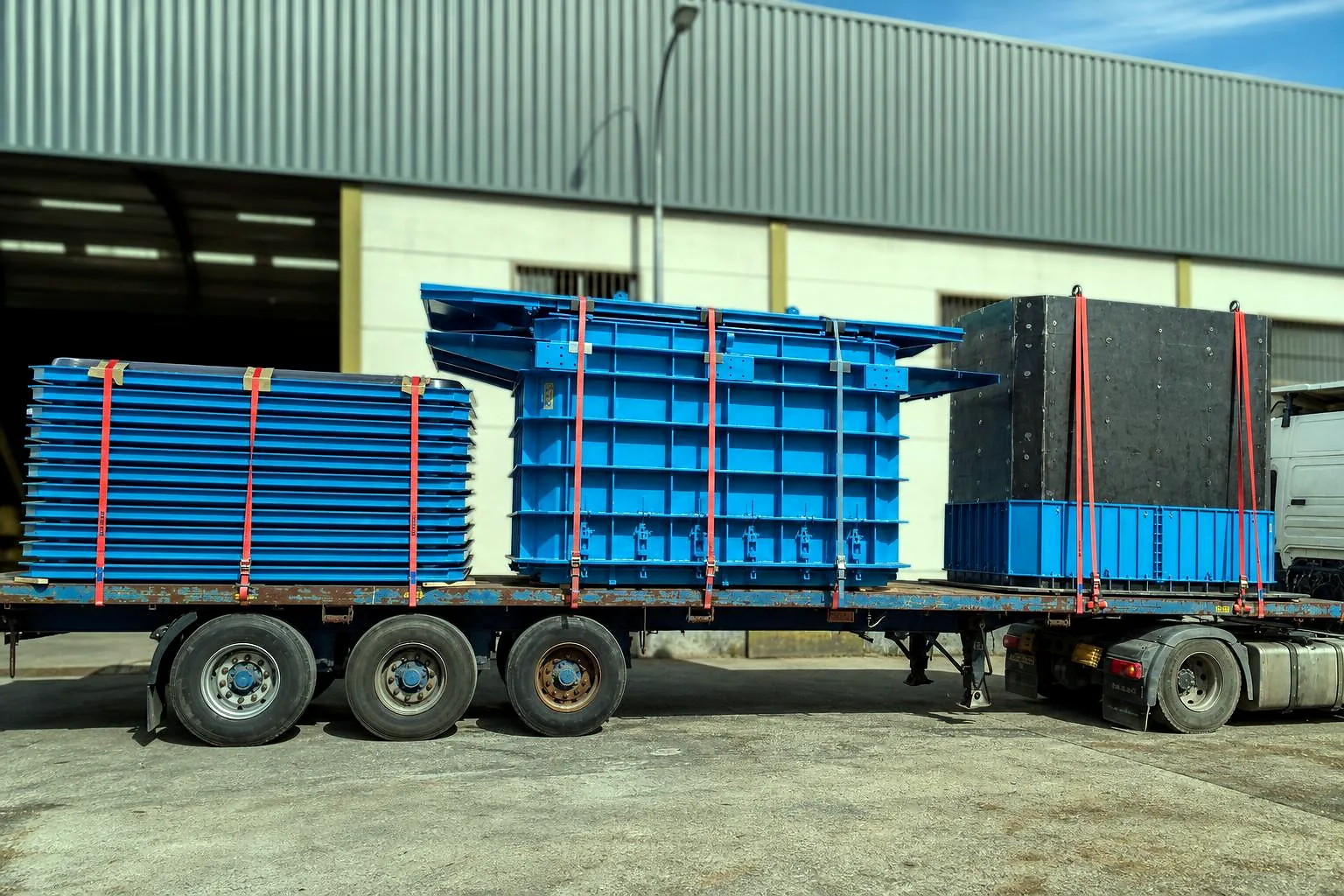
Frame mould with core, jacket and rings prepared for transport
Product · Precast moulds

Concrete frame and pipe moulds

Custom-made steel moulds for producing concrete frames, pipes and precast parts with dimensional accuracy, controlled height, uniform compaction and cleaner demoulding.

Outer mould, core and delimiting jacketSupport rings and vibrator coresRobust manufacturing adjustable by project
Product and manufacturing

Frames and pipes with stable geometry.

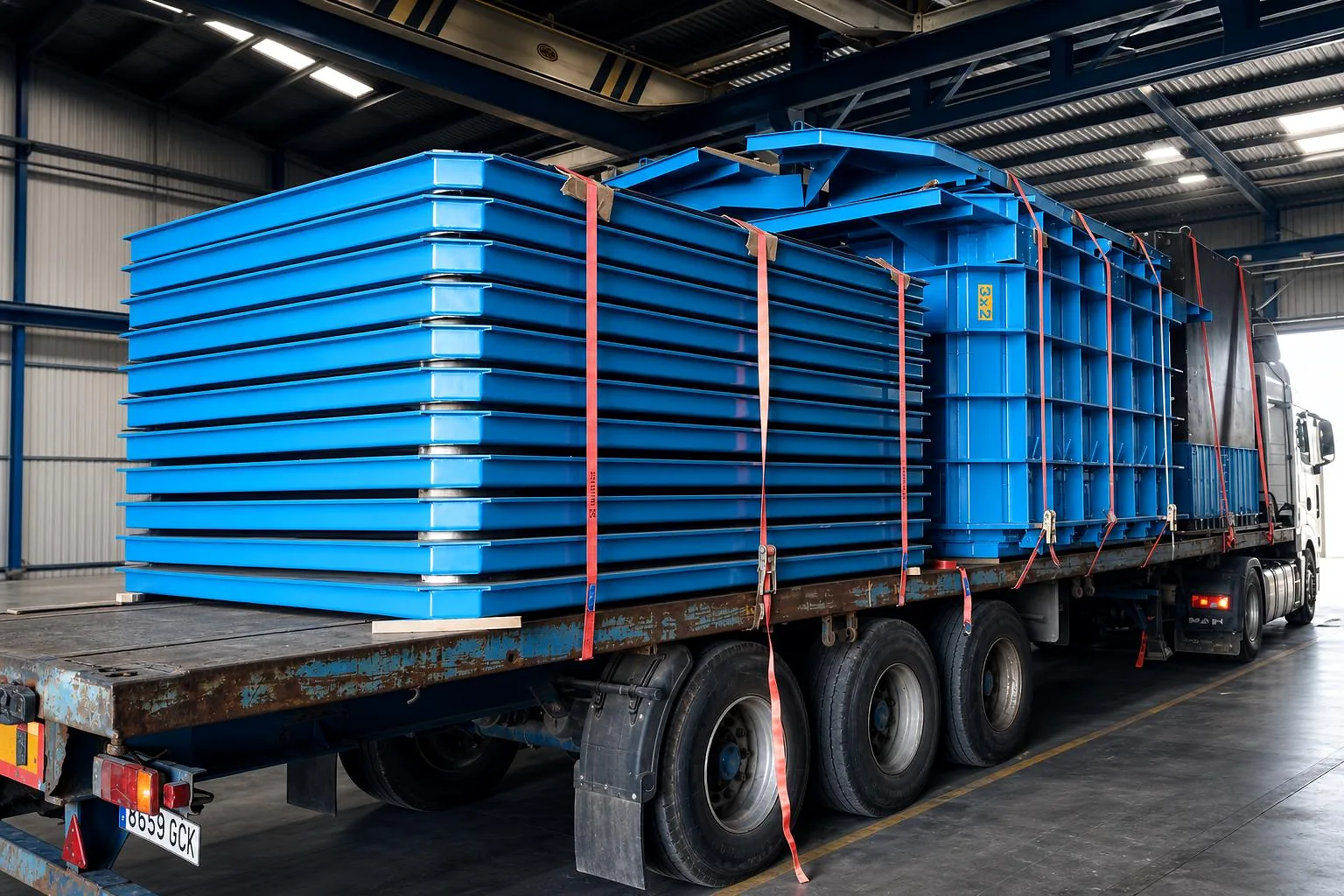
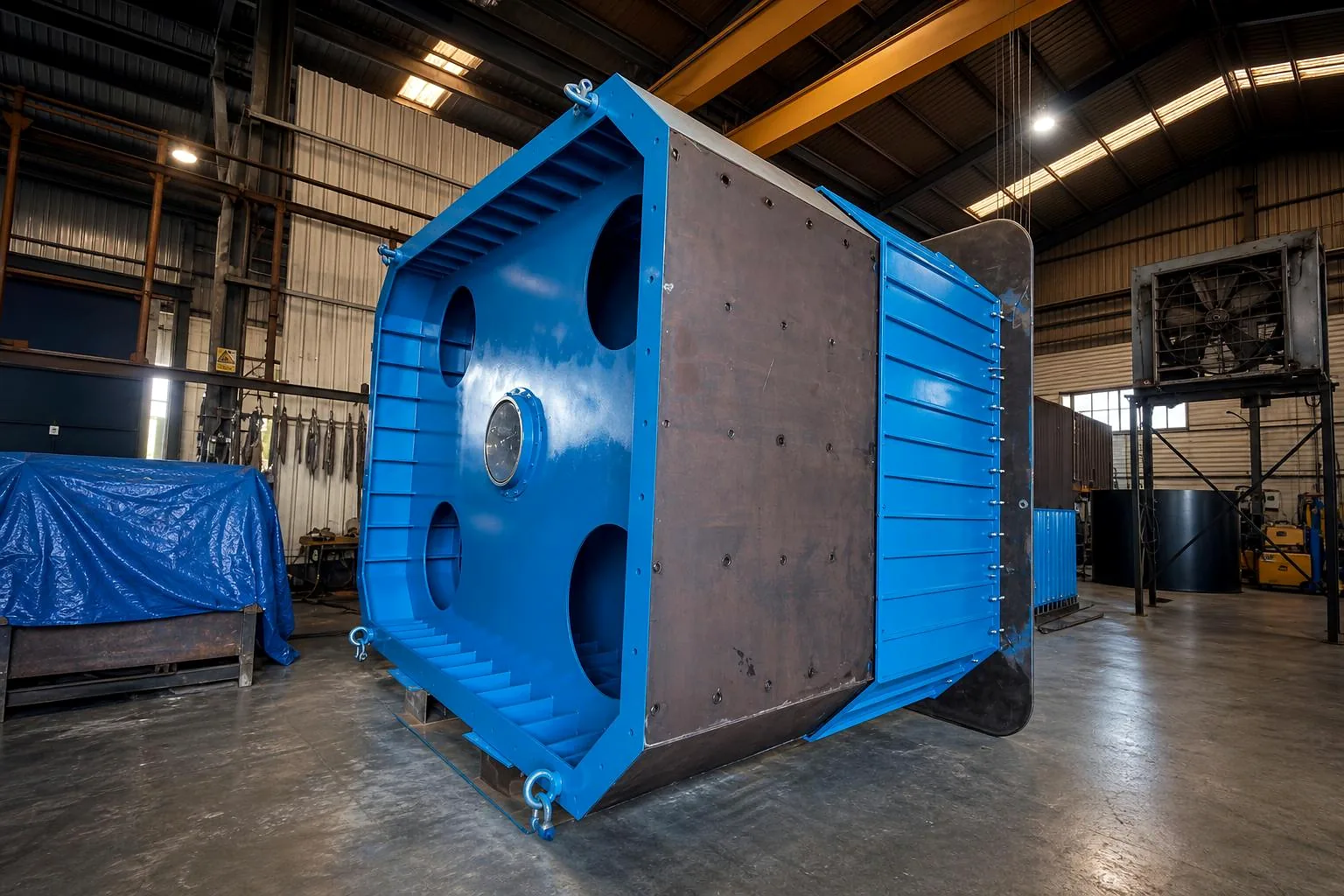
This line is designed for drainage, sanitation and channel pieces. The assembly, transport and interior photographs are used to explain dimensions, supports, compaction and clean release of the part.
What it is · What it includes · What it is for

The mould understood as an adjustable assembly.

The key is not only to close a mould: height, internal void, stability, compaction and extraction must be controlled so each part comes out with industrial continuity.

Frame mould with core, jacket and rings prepared
Assembly view

Outer mould, core and jacket working as a system.

The assembly defines the part geometry, regulates height, supports compaction and facilitates demoulding without damaging the frame or pipe.

01

Outer mould

Steel frame that defines the shape of the frame or pipe and provides dimensional stability in each cycle.

Shape
02

Core / inner core

Internal element that determines the hollow volume of the part and facilitates clean extraction.

Interior
03

Delimiting jacket

Adjustable system to define the exact height of the part and adapt the mould to the project.

Height
04

Support rings

They distribute the load, stabilise the process and participate in the tongue-and-groove of the part.

Support
05

Cores for vibrators

Integrated in the centre of the mould to improve compaction and reduce defects in the concrete.

Compaction
ModularAdaptable to different dimensions, formats and production needs.
PreciseCareful geometry to support repeatable part quality.
AdjustableDelimiting jackets to regulate height and customise the mould.
Specifications

What is defined before manufacturing.

Work is based on drawing, sample, part reference or production need. The critical points are geometry, height, supports, compaction, handling and demoulding.

Dimensions

Section, length, height, thicknesses and geometry defined according to the precast part.

Elements

Outer mould, core or inner core, delimiting jacket, support rings and vibration areas.

Regulated height

Delimiting jackets to adjust height and adapt the assembly to different needs.

Compaction

Cores and solutions prepared for vibrators when the process requires them.

Handling

Design oriented to assembly, opening, loading, transport and workshop maintenance.

Review

Control of supports, fits, stability, tongue-and-groove and critical points before delivery.

Process

From geometry to operating mould.

The page brings the product down to earth: what part is to be manufactured, what controls it needs and how that becomes a steel assembly prepared to work.

01

Part and production

Dimensions, height, thicknesses, intended use and real workshop conditions are reviewed.

02

Adjustable assembly

Outer mould, core, jacket, rings, supports and vibrators are planned with practical logic.

03

Manufacturing and adjustment

The workshop resolves rigidity, fits, welding, finish and handling points before delivery.

Frame mould loaded for transport
Workshop judgement

Manufactured for repetition, height and compaction.

Resistant and modular design adaptable to different dimensions, formats and production needs.

Delimiting jackets to control exact height and provide adjustment margin by project.

Vibrator cores designed to improve compaction and uniform concrete structure.

Reliable construction for demanding work, repetition and production continuity.
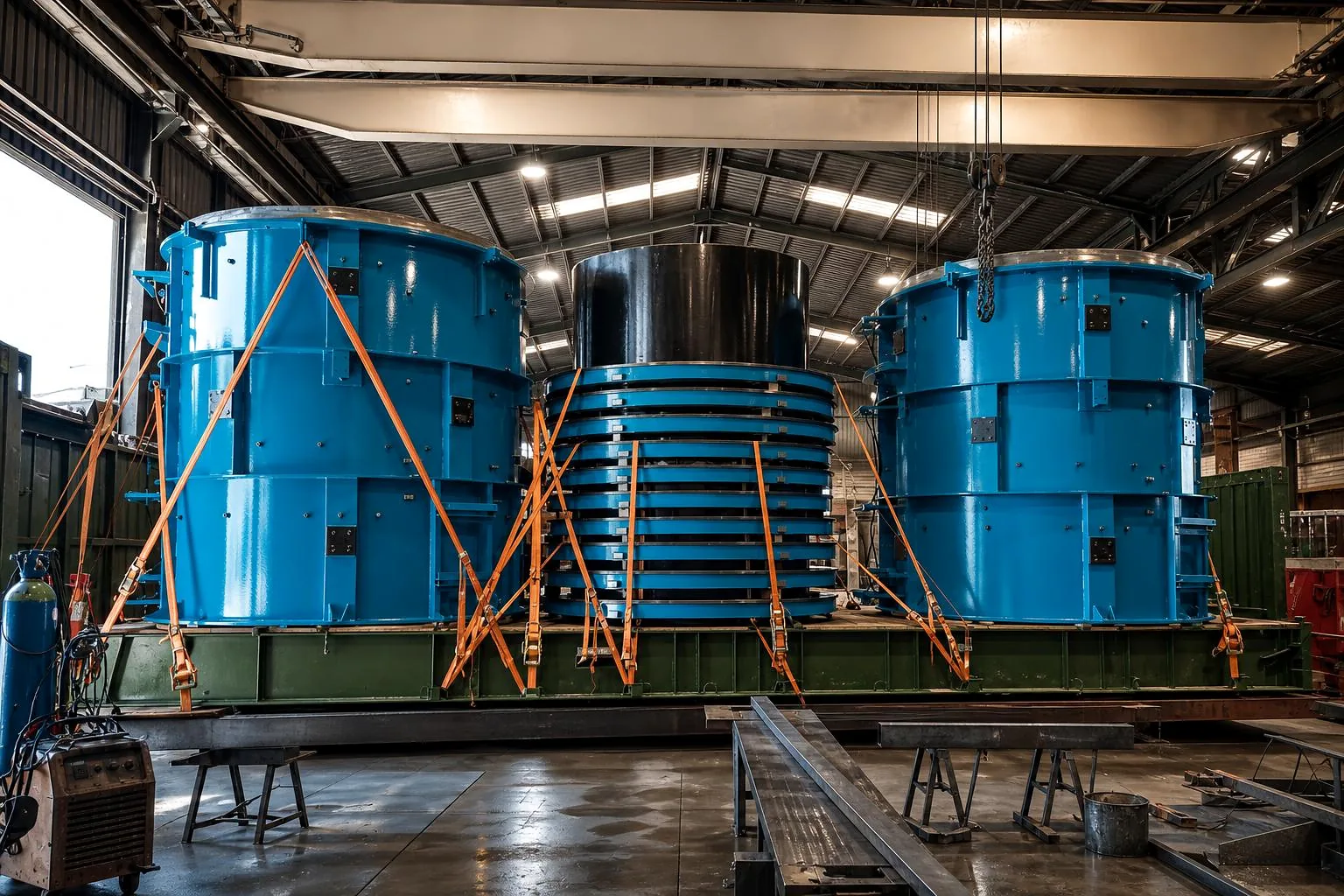
Related products

We also manufacture.

Other Relente manufacturing lines for precast concrete and deep drilling.

Do you need a mould for frames or pipes?

Send us dimensions, required height, thicknesses, drawings, sketches or reference photos. We review the case and guide manufacturing with technical judgement.

Custom manufacturing

Moulds for concrete box culverts and precast pipes.

We manufacture steel moulds for concrete box culverts, concrete pipes and heavy precast concrete pieces, with stable geometry, core, outer mould, limiting jacket, supports and closing systems designed for compaction, demoulding and repeated cycles.

concrete box culvertsprecast pipescore and outer mouldcompactiondemoulding
01

Need to manufacture box culverts and pipes.

When a precast manufacturer needs to produce box culverts, galleries, pipes or special pieces, the mould must control faces, radii, thicknesses, height and supports from the first cycle.

02

Controlled compaction and vibration.

The mould geometry affects how concrete enters, how it compacts, where stresses appear and which areas need stiffness to avoid deformation.

03

Clean demoulding and safe handling.

A good design reduces snagging, impacts, marks on the piece and downtime. Openings, closures, supports and extraction must be solved before manufacturing.

04

Adaptation to drawing, sample or series.

The project may start from a drawing, sample, existing mould or production need. The solution is adjusted to real dimensions, tolerances and industrial use.

What a mould for box culverts and pipes must solve.

A precast box culvert or pipe requires dimensional stability and repetition. The mould must maintain geometry, allow uniform compaction, make demoulding easier and withstand cleaning, handling and maintenance without losing adjustment.

Outer mould and core.

The outer mould defines visible faces and contour; the core controls the inner void, radii, thicknesses and extraction. Both must work aligned.

Jackets, rings and supports.

Limiting jackets, rings, bases, supports and auxiliary tools help close the geometry, maintain height and repeat positioning between cycles.

Height, closing and stiffness.

Useful height, closures, reinforcements and lifting points are defined so the mould withstands real plant work without deformation or production delays.

When a specific mould is the right choice.

When the piece requires specific dimensions, industrial repetition or reliable demoulding, the mould must be designed around the final product and the manufacturing process, not as a generic solution.

Concrete box culverts for civil works

Moulds for box culverts, galleries, crossings, channels and rectangular-section pieces where faces, radii, thicknesses and dimensional stability matter.

Precast concrete pipes

Assemblies for manufacturing pipes and cylindrical or special pieces with control of diameter, length, support, closing and extraction.

Special pieces from drawing

When the piece does not fit a standard mould, geometry, tolerances, handling, compaction and expected maintenance are studied.

Repair or improvement of existing moulds

If a mould works but fails because of play, deformation, closing, wear or poor demoulding, reinforcement, adjustment or modification can be assessed.

Design focused on plant work, piece and repetition.

Mould quality is visible when the piece comes out the same again and again. That is why materials, thicknesses, reinforcements, support points, opening, lifting, cleaning and maintenance are reviewed before manufacturing.

Piece data.

Outer and inner dimensions, length, height, radii, thicknesses, visible faces, tolerances, reinforcement position and expected finish.

Manufacturing process.

Concrete type, vibration, compaction, cycle rhythm, filling system, opening sequence and space available in the plant.

Use and maintenance.

Cleaning, wear, access to critical areas, lifting points, future repair and handling safety during daily work.

Data for assessment

Useful information before manufacturing.

Piece type

Box culvert, pipe, gallery, channel, manhole, special piece or heavy precast item from drawing.

Geometry

Dimensions, radii, thicknesses, height, length, tolerances, visible faces and critical areas.

Mould assembly

Outer mould, core, jackets, rings, supports, closures, opening system, lifting and extraction.

Production

Cycle volume, type of compaction, vibration, cleaning, maintenance and plant conditions.

Frequently asked questions about box culvert and pipe moulds.

Practical answers to prepare a technical enquiry without closing dimensions that depend on the project.

Do you manufacture custom moulds for concrete box culverts?

Yes. Moulds can be manufactured for box culverts, galleries, crossings, channels and rectangular-section pieces from drawing, sample or production need.

Do you also manufacture moulds for precast pipes?

Yes. Diameter, length, thickness, support, closing system, core, outer mould, extraction and expected work rhythm are studied.

What information is useful to send?

Drawings, dimensions, photos of the piece or existing mould, concrete type, compaction system, expected production and current problem if it is an improvement.

Can you adapt or repair an existing mould?

It can be assessed. Deformation, play, closures, wear, stiffness, handling and the real possibility of improvement without compromising the final piece are reviewed.

Is the mould delivered ready to work?

The objective is to deliver an assembly manufactured with use criteria: handling, opening, closing, cleaning, maintenance and technical validation before entering production.